


Cichlid-Albino Kribensis (20-25 mm)
Cichlid-Albino Kribensis (20-25 mm)
Product Description
Product Description
All our fish, shrimp and corals are bagged with fresh oxygen as well as a heat pack in winter.
When ordering livestock please select the box size and add it to your cart for accurate overnight (1-2 days) shipping costs. A small box can take 1-2 bags and a medium box 6 bags. One bag fits max 10 small (1-3cm) fish or max 2 medium (3-5cm) fish or max 1 large (>5cm) fish.
ONE SPECIES PER BAG. Eg: One bag of 10 neon tetra.
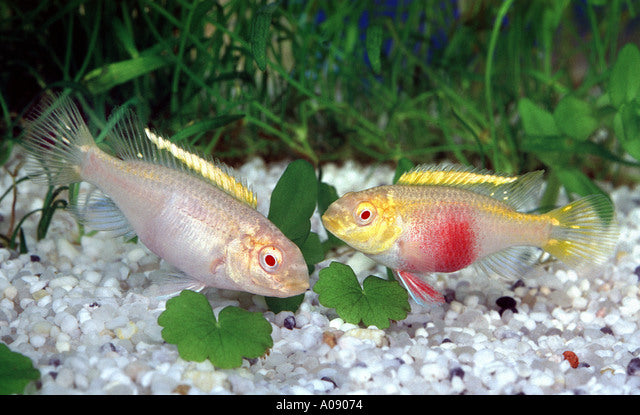
Albino Kribensis (Pelvicachromis pulcher)
Description:
-
Appearance:
- Body: Small, robust, and elongated with a slightly compressed body shape.
- Color: Albino variety features a pale, creamy white or pinkish body with red or orange accents on the fins and a subtle, iridescent sheen. The coloration can be more subdued compared to the standard Kribensis.
- Size: Typically grows to 3-4 inches (7.5-10 cm) in length. Males tend to be slightly larger than females.
-
Behavior:
- Activity: Active and often seen swimming around the tank, exploring their environment. They are relatively peaceful but can be territorial, especially during breeding.
- Social Structure: Can be kept in pairs or small groups. They are known for their engaging breeding behaviors and parental care.
Care Requirements:
-
Tank Size:
- Minimum of 20 gallons (76 liters); larger tanks are beneficial to provide more space for swimming and breeding.
-
Water Parameters:
- Temperature: 72-78°F (22-26°C).
- pH: 6.5-7.5.
- Hardness: Soft to moderately hard water. They prefer slightly acidic to neutral conditions.
- Filtration: Moderate filtration is necessary to maintain water quality. Ensure the filter provides gentle water movement to avoid stressing the fish.
-
Tank Setup:
- Substrate: Soft substrate like sand or fine gravel is ideal. It allows for comfortable digging and nesting behavior.
- Aquascaping: Include hiding spots and structures such as rocks, driftwood, and plants. Providing ample cover and territories is important, especially during breeding.
- Lighting: Standard aquarium lighting is sufficient. They do not require special lighting but benefit from having shaded areas and dense plant growth.
-
Diet:
- Primary Food: Omnivorous; feed a varied diet including high-quality pellets, flakes, and live or frozen foods such as bloodworms, brine shrimp, and daphnia.
- Supplemental Food: Offer occasional treats like blanched vegetables (e.g., zucchini, spinach) to ensure a balanced diet.
-
Behavioral Considerations:
- Compatibility: Generally peaceful but can be territorial, particularly during breeding. Avoid keeping with very aggressive or large fish that may bully or harm them. They can be kept with other small, peaceful species.
- Social Behavior: Prefer to be in pairs or small groups. They display interesting breeding behaviors and care for their offspring, making them engaging to observe.
-
Tank Maintenance:
- Water Changes: Perform regular water changes (20-30% weekly) to maintain water quality and reduce the buildup of toxins.
- Cleaning: Regularly clean the tank and remove any uneaten food or waste. Ensure the filtration system is functioning properly.
-
Health Care:
- Observation: Monitor for signs of stress or illness, such as changes in behavior, loss of appetite, or visible symptoms like discoloration or fin damage.
- Treatment: Maintain optimal water conditions and consult an aquarium professional if any health issues arise. Address any signs of disease or stress promptly to ensure the health of your fish.
Regular price
R 75.00
Regular price
R 75.00
Sale price
R 55.00
Unit price
per
50 in stock
Couldn't load pickup availability

What Does ''Available To Order'' Mean?

What Does ''Available To Order'' Mean?
“Available to order” means this item is not in store right now. It can be ordered and delivered within 5–7 working days. Please confirm availability before you order.
Coastal Pets Store Provides Top Quality Products
Coastal Pets Provides Top Quality Products
Coastal Pets Provides Top Quality Products
Coastal Pets Provides Top Quality Products
Coastal Pets Provides Top Quality Products
Coastal Pets Provides Top Quality Products
Coastal Pets Provides Top Quality Products