


Loach-Clown(40-50mm)
Loach-Clown(40-50mm)
Product Description
Product Description
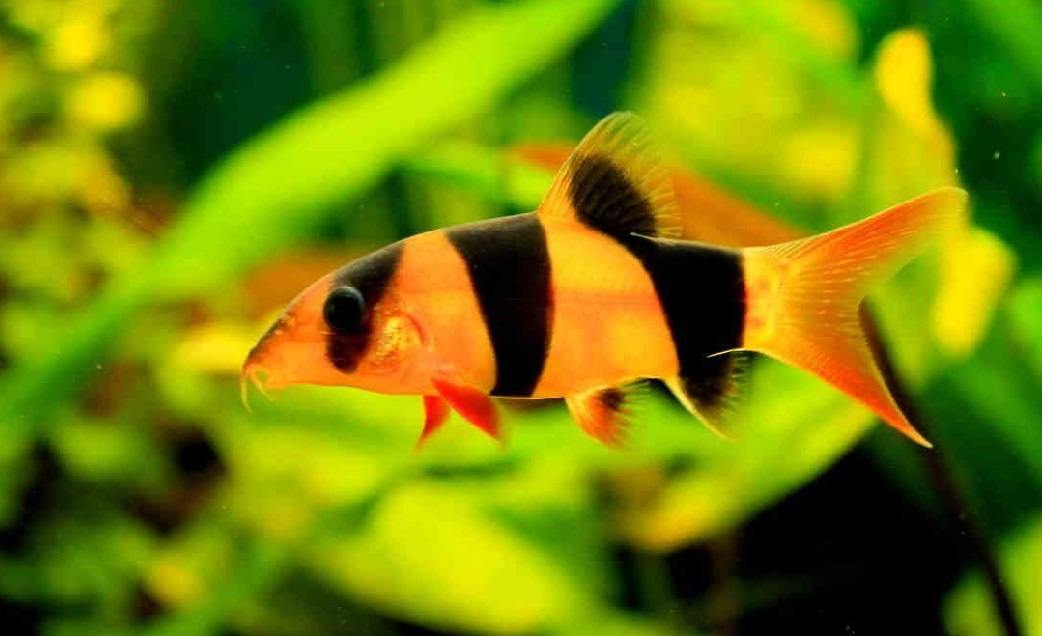
Clown Loach (Chromobotia macracanthus)
Description:
-
Appearance:
- Body: Elongated and cylindrical with a slightly compressed shape.
- Color: Bright orange to yellow body with distinctive black vertical stripes.
- Size: Can grow up to 12-16 inches (30-40 cm) in length.
- Distinctive Feature: Has a pair of barbels on either side of the mouth and sharp spines on the pectoral and dorsal fins.
-
Behavior:
- Activity: Active and playful. They are known for their energetic swimming and playful behavior.
- Social Structure: Very social and prefers to be kept in groups. Often seen interacting with tank mates and exploring their environment.
Care Requirements:
-
Tank Size:
- Minimum: 75 gallons (285 liters) for a small group. Larger tanks are ideal as they can grow quite large and require ample space.
-
Water Parameters:
- Temperature: 75-85°F (24-29°C). They prefer slightly warmer water.
- pH: 6.0-7.5. They can adapt to slightly acidic to neutral water conditions.
- Hardness: Soft to moderately hard water.
- Filtration: Strong filtration with good water circulation. Ensure the filter does not create excessive current, as Clown Loaches prefer moderately calm waters.
-
Tank Setup:
- Substrate: Soft, fine substrate like sand or smooth gravel is preferred to avoid injury to their undersides.
- Aquascaping: Provide plenty of hiding spots with rocks, driftwood, and dense planting. They enjoy a well-decorated tank with plenty of places to hide and explore.
- Lighting: Moderate lighting is adequate. They are not sensitive to light levels but appreciate a dimly lit tank with hiding places.
-
Diet:
- Primary Food: Omnivorous. Will eat a variety of foods including high-quality pellets, live or frozen foods such as bloodworms, brine shrimp, and small invertebrates.
- Supplemental Food: Offer occasional treats like small insects or finely chopped seafood. They also enjoy occasional vegetable matter like blanched zucchini or spinach.
-
Behavioral Considerations:
- Compatibility: Peaceful with other fish. Avoid aggressive species or fish that may outcompete them for food.
- Social Behavior: Best kept in groups of at least 3-5 individuals. They are highly social and feel more secure in groups.
-
Tank Maintenance:
- Water Changes: Regular water changes (20-30% weekly) are important to maintain water quality and remove waste.
- Cleaning: Clean the tank regularly, removing uneaten food and detritus. Ensure the filter is properly maintained.
-
Health Care:
- Observation: Monitor for signs of stress or illness, such as changes in behavior, loss of appetite, or visible symptoms like unusual coloration or lesions.
- Treatment: Maintain optimal water conditions and seek advice from an aquarium professional if health issues arise. Common problems include skin infections, parasites, and fin rot.
Regular price
R 185.00
Regular price
R 185.00
Sale price
R 165.00
Unit price
per
Low stock: 6 left
Couldn't load pickup availability

What Does ''Available To Order'' Mean?

What Does ''Available To Order'' Mean?
“Available to order” means this item is not in store right now. It can be ordered and delivered within 5–7 working days. Please confirm availability before you order.
Coastal Pets Store Provides Top Quality Products
Coastal Pets Provides Top Quality Products
Coastal Pets Provides Top Quality Products
Coastal Pets Provides Top Quality Products
Coastal Pets Provides Top Quality Products
Coastal Pets Provides Top Quality Products
Coastal Pets Provides Top Quality Products