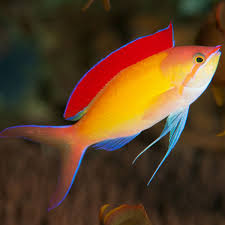


Dispar Anthias
Dispar Anthias
Fast Shipping
Quality Products
Affordable Price
Reach out to us on ''available to order'' items via WhatsApp or email
Low stock: 3 left
Couldn't load pickup availability

Dispar Anthias
Dispar Anthias Overview
-
Common Names: Dispar Anthias, Peach Anthias, Madagascar Anthias
-
Scientific Name: Pseudanthias dispar
-
Family: Serranidae (Anthias are part of the same family as groupers and sea bass)
-
Origin: Indo-Pacific – including Indonesia, Maldives, and the Great Barrier Reef
-
Size: Up to 4 inches (10 cm)
-
Lifespan: 5–7 years with proper care
🌈 Appearance
-
Males: Bright pink-to-orange body with a distinct red dorsal fin and often yellow highlights. Fins are elongated and showy.
-
Females: Smaller and duller — typically peach or pinkish-orange with less vibrant fins.
-
Sexual Dimorphism: Yes — males are more colorful and larger.
-
Sequential Hermaphrodites: Like many anthias, Dispar Anthias are born female and can turn male in the absence of a dominant male.
🏝️ Natural Habitat
-
Found in large schools over coral reefs, outer reef slopes, and drop-offs
-
Usually swim in mid-water, feeding on plankton
🐟 Aquarium Care
Tank Requirements:
-
Minimum Tank Size: 75 gallons (284 liters) for a group
-
Setup Needs:
-
Open swimming space
-
Live rock for hiding and resting
-
Gentle to moderate water flow
-
Water Parameters:
-
Temperature: 72–78°F (22–26°C)
-
pH: 8.1–8.4
-
Salinity: 1.020–1.025
-
Ammonia/Nitrites: 0 ppm
-
Nitrates: Low (<20 ppm)
🤝 Behavior & Compatibility
-
Temperament: Peaceful and social
-
Best Kept In: Small harems — 1 male with 3–5 females (never keep multiple males unless in very large tanks)
-
Reef Safe: Yes — completely safe with corals and invertebrates
-
Tankmates: Compatible with other peaceful to semi-aggressive reef fish (e.g., wrasses, gobies, tangs)
🍽️ Diet
-
Feeding Type: Planktivore
-
Diet:
-
Frozen mysis shrimp, brine shrimp
-
Enriched copepods or rotifers
-
High-quality micro-pellets or finely chopped marine meaty foods
-
Spirulina or other supplement-rich foods
-
-
Feeding Frequency: 2–3 times per day — high metabolism, so frequent small feedings are essential
✅ Pros
-
Striking colors and peaceful nature
-
Excellent schooling/display fish
-
Reef safe and active in mid-water column
-
Can help mimic natural reef dynamics when kept in harems
❌ Cons
-
Sensitive to poor water quality
-
Requires frequent feeding
-
Can be shy or stressed in overly aggressive tanks
-
May not thrive in small or bare tanks
💡 Special Notes
-
Use an auto-feeder if you’re not home often – they need regular feeding
-
Acclimate slowly and quarantine if possible — they can be delicate after shipping
-
Provide dim lighting at first — they can be startled by sudden bright lights
-
If keeping a group, introduce all individuals at the same time to avoid aggression
Summary
| Category | Details |
|---|---|
| Difficulty | Intermediate |
| Temperament | Peaceful |
| Reef Safe | Yes |
| Grouping | 1 male + 3–5 females (harem) |
| Max Size | 4 inches (10 cm) |
| Tank Size | 75+ gallons (larger for harems) |
| Diet | Carnivorous (planktivore) |
| Activity Level | High – active swimmers |
| Lighting | Moderate to Bright |