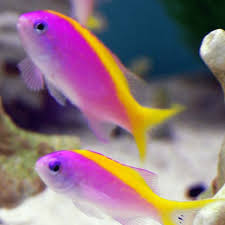

Evansi Anthias
Evansi Anthias
Fast Shipping
Quality Products
Affordable Price
Reach out to us on ''available to order'' items via WhatsApp or email
Low stock: 2 left
Couldn't load pickup availability

Evansi Anthias
Product Description
Product Description
Evansi Anthias
Scientific name: Pseudanthias evansi
Common names: Evansi Anthias
Family: Serranidae (Anthiinae)
Description
The Evansi Anthias is a rare and highly sought-after deepwater anthias species, prized for its rich pink to magenta body with subtle yellow highlights. Males display more intense coloration and extended fins, while females are smaller and paler. Like most anthias, this species is active, constantly swimming in the water column, and adds exceptional movement and colour to a marine display.
Care Requirements
Tank Size
-
Minimum tank size: 300 litres (80 gallons)
-
Larger tanks recommended for groups and long-term success
Temperament
-
Peaceful
-
Best kept:
-
Singly
-
As a pair
-
Or in a small harem (1 male : 3–5 females)
-
Reef Compatibility
-
✅ Reef safe
-
Will not bother corals or invertebrates
Tank Setup
-
Plenty of live rock with caves and overhangs
-
Open swimming areas
-
Moderate water flow
-
Stable, mature aquarium strongly recommended
-
Dim to moderate lighting preferred (deepwater origin)
Water Parameters
-
Temperature: 23–26°C
-
pH: 8.1–8.4
-
Salinity: 1.023–1.026
-
Ammonia/Nitrite: 0
-
Nitrate: <10–15 ppm
Diet & Feeding
-
Planktivorous carnivore
-
Requires frequent small feedings:
-
Frozen mysis shrimp
-
Copepods
-
Brine shrimp (enriched)
-
Finely chopped seafood
-
High-quality small marine pellets (once trained)
-
⚠️ Key care point:
Anthias have high metabolisms and do poorly with infrequent feeding.
Feeding Frequency
-
2–3 times daily (small portions)
Adult Size
-
Up to ±12 cm
Compatibility Notes
-
Avoid housing with:
-
Aggressive fish
-
Large, boisterous eaters
-
-
Suitable tank mates:
-
Other anthias
-
Fairy & flasher wrasses
-
Gobies
-
Blennies
-
Peaceful tangs
-
Special Notes
-
Sensitive to shipping and poor water quality
-
Quarantine recommended
-
Males may develop from dominant females
-
Not recommended for beginners
-
Best for experienced reef keepers with established systems