
Catfish-Anchor
Catfish-Anchor
Fast Shipping
Quality Products
Affordable Price
Reach out to us on ''available to order'' items via WhatsApp or email
Low stock: 2 left
Couldn't load pickup availability

Catfish-Anchor
All our fish, shrimp and corals are bagged with fresh oxygen as well as a heat pack in winter.
When ordering livestock please select the box size and add it to your cart for accurate overnight (1-2 days) shipping costs. A small box can take 1-2 bags and a medium box 6 bags. One bag fits max 10 small (1-3cm) fish or max 2 medium (3-5cm) fish or max 1 large (>5cm) fish.
ONE SPECIES PER BAG. Eg: One bag of 10 neon tetra.
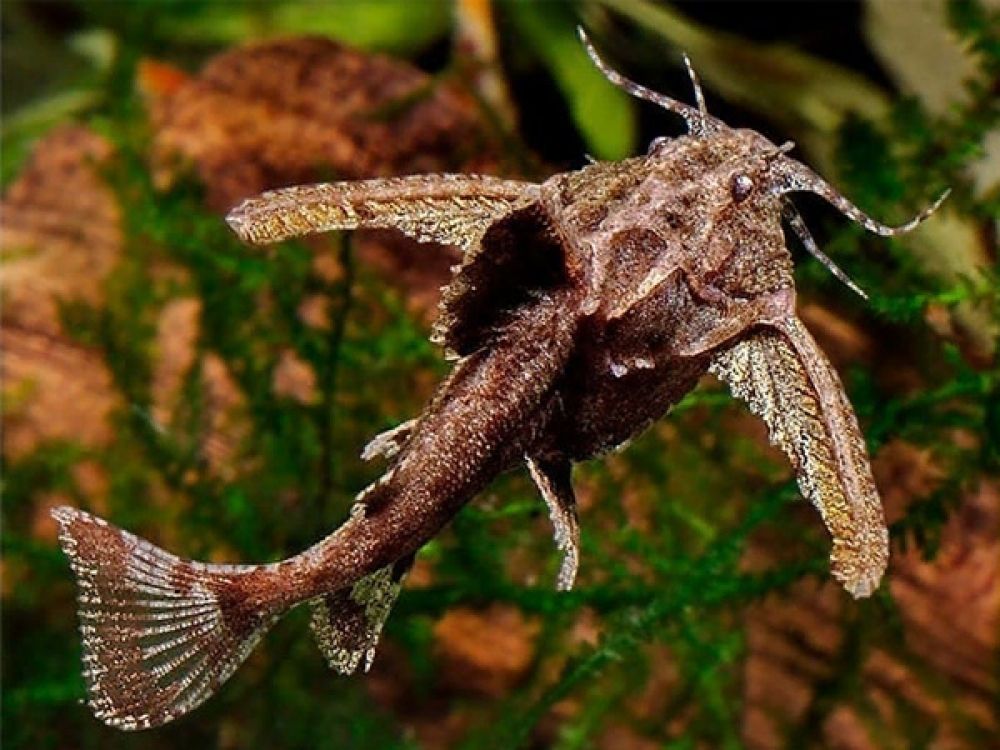
Anchor Catfish (Asterophysus batrachus)
Description:
-
Appearance:
- Body: Robust and cylindrical with a broad, flattened head. The body is typically well-adapted for a bottom-dwelling lifestyle.
- Color: Generally dark brown to black with lighter spots or patterns. The color can vary, with some individuals showing a mottled or speckled appearance.
- Size: Can grow to 12-18 inches (30-45 cm) in length, making it one of the larger catfish species.
-
Behavior:
- Activity: Relatively slow-moving and bottom-dwelling. They are generally calm but can become more active during feeding times or when exploring their environment.
- Social Structure: Can be kept alone or in groups. They can be somewhat territorial, especially as they grow larger.
Care Requirements:
-
Tank Size:
- Minimum of 75 gallons (284 liters); larger tanks are recommended as they can grow quite large and need ample space to thrive.
-
Water Parameters:
- Temperature: 72-82°F (22-28°C).
- pH: 6.5-7.5.
- Hardness: Soft to moderately hard water. They can adapt to a range of water hardness but prefer slightly acidic to neutral conditions.
- Filtration: Strong filtration is necessary to maintain clean water, as they can produce a significant amount of waste. Ensure the filter does not create strong currents that might stress the fish.
-
Tank Setup:
- Substrate: Soft substrate like sand or fine gravel is ideal. It helps to avoid damage to the fish’s barbels and provides a comfortable area for foraging.
- Aquascaping: Provide hiding spots and structures using rocks, driftwood, and plants. They appreciate a well-structured tank with plenty of cover to retreat to.
- Lighting: Standard aquarium lighting is sufficient. They are not particularly sensitive to lighting but benefit from having shaded areas.
-
Diet:
- Primary Food: Omnivorous; feed a varied diet including high-quality sinking pellets, live or frozen foods such as worms, shrimp, and small fish.
- Supplemental Food: Offer occasional treats like blanched vegetables (e.g., spinach, zucchini) to ensure a balanced diet.
-
Behavioral Considerations:
- Compatibility: Generally peaceful with larger, non-aggressive fish. Avoid keeping with very small or overly aggressive species that might provoke the catfish or become prey.
- Social Behavior: Can be kept alone or in groups. However, as they grow, they may become territorial, so ensure enough space and hiding spots to minimize aggression.
-
Tank Maintenance:
- Water Changes: Perform regular water changes (20-30% weekly) to maintain water quality and prevent the buildup of toxins.
- Cleaning: Regularly clean the tank and remove any uneaten food or waste. Ensure the filtration system is functioning effectively.
-
Health Care:
- Observation: Monitor for signs of stress or illness, such as changes in behavior, loss of appetite, or visible symptoms like discoloration or damage to fins.
- Treatment: Maintain optimal water conditions and consult an aquarium professional if any health issues arise. Address any signs of disease promptly to ensure the health of your fish.