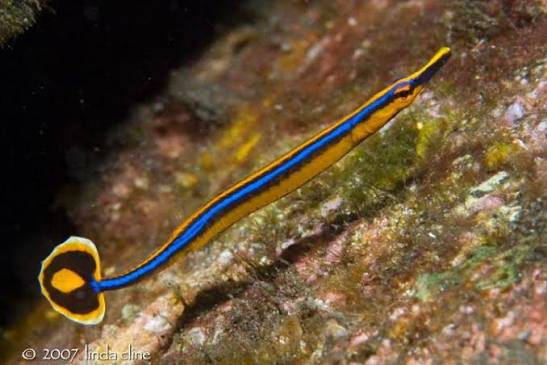


Blue Striped Pipefish
Blue Striped Pipefish
Fast Shipping
Quality Products
Affordable Price
Reach out to us on ''available to order'' items via WhatsApp or email
Out of stock
Couldn't load pickup availability

Blue Striped Pipefish
Description
The Blue Striped Pipefish is a stunning and elegant marine fish, admired for its vibrant electric blue stripes contrasted against a dark body. Closely related to seahorses, these graceful fish spend their time weaving through rockwork and corals in search of tiny crustaceans. They are peaceful, reef safe, and make a fascinating addition to established reef aquariums with plenty of natural microfauna.
Due to their specialized feeding requirements, Blue Striped Pipefish are best suited to experienced marine aquarists with mature reef systems.
Care Level
Moderate to Advanced
Scientific Name
Doryrhamphus excisus
Origin
Indo-Pacific
Adult Size
7–10 cm
Minimum Tank Size
120 litres (larger mature reef systems are preferred)
Temperament
Peaceful
Reef Safe
✅ Yes
Diet
Carnivorous
Blue Striped Pipefish feed primarily on tiny live prey and should ideally be introduced into a mature aquarium with a healthy population of copepods and other microfauna.
Foods include:
- Live copepods
- Amphipods
- Newly hatched brine shrimp
- Enriched frozen Cyclops
- Frozen Calanus
- Finely chopped mysis (some individuals)
Frequent small feedings are recommended.
Water Parameters
- Temperature: 24–26°C
- Salinity: 1.024–1.026 SG
- pH: 8.1–8.4
- Ammonia: 0 ppm
- Nitrite: 0 ppm
- Nitrate: <10 ppm preferred
Compatibility
Excellent tank mates include:
- Gobies
- Blennies
- Firefish
- Small cardinalfish
- Seahorses (in species-appropriate systems)
- Peaceful wrasses that won't outcompete them for food
Avoid:
- Aggressive wrasses
- Dottybacks
- Hawkfish
- Large angelfish
- Triggerfish
- Puffers
- Fast, aggressive feeders
Aquarium Requirements
- Mature reef aquarium with abundant live rock.
- Plenty of hiding places and gentle to moderate water flow.
- Stable water quality is essential.
- A refugium or pod-producing system is highly beneficial for long-term success.
Special Notes
- Best kept in established reef aquariums that have been running for several months.
- Their biggest challenge is obtaining enough food, as they feed slowly and can be outcompeted by faster fish.
- Generally peaceful and may be kept as a pair if introduced together and the aquarium is large enough.
- Like seahorses, they are sensitive to rapid changes in water quality and should be acclimated carefully.
- Their striking blue stripes become even more vibrant when they are healthy, feeding well, and kept in a stress-free environment.