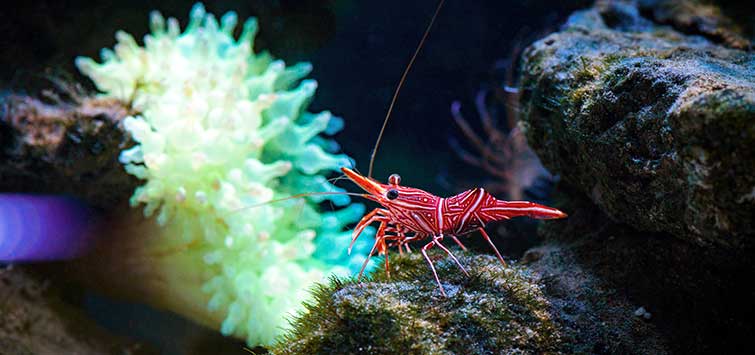


Camel Shrimp ≈4-6cm
Camel Shrimp ≈4-6cm
Product Description
Product Description
🦐 Camel Shrimp Care & Description
🔍 Description
-
Common Names: Camel Shrimp, Camelback Shrimp, Dancing Shrimp
-
Scientific Name: Rhynchocinetes durbanensis
-
Origin: Indo-Pacific region
-
Size: Up to 2 inches (5 cm)
-
Color: Bright red body with white or cream V-shaped stripes and a distinctively arched "humpbacked" posture
-
Lifespan: 1–2 years (with good care)
🧠 Behavior and Temperament
-
Active and hardy
-
Named for their "dancing" or jerky swimming movements
-
Typically nocturnal, hiding in rock crevices during the day
-
Can be semi-aggressive toward other shrimp, especially when food is limited
-
Not reef-safe: known to nip at soft corals, polyps, and anemones
🧪 Tank Requirements
-
Tank Size: Minimum 10 gallons (larger is better if kept in groups)
-
Temperature: 72–78°F (22–25.5°C)
-
Salinity: 1.023–1.025 specific gravity
-
pH: 8.1–8.4
-
Ammonia/Nitrite: 0 ppm
-
Nitrate: < 20 ppm
-
Live Rock: Provide caves and overhangs for hiding during the day
🍽️ Diet and Feeding
-
Omnivorous scavenger
-
Feeds on detritus, uneaten food, and sometimes algae
-
Supplement with:
-
High-quality frozen or flake food
-
Mysis shrimp
-
Brine shrimp
-
Finely chopped seafood or pellet food
-
⚠️ Will sometimes nip at or eat soft corals and polyps if hungry, especially in nano tanks
⚠️ Special Care Notes
-
Not reef-safe – avoid if keeping delicate corals or anemones
-
Can co-exist with other camel shrimp, but keep an eye out for aggression in tight spaces
-
Avoid aggressive tankmates like large wrasses, triggers, or puffers
-
Be cautious with copper treatments (like all invertebrates, camel shrimp are sensitive)
✅ Good Tankmates
-
Peaceful reef fish (without corals)
-
Gobies, blennies, clownfish (non-aggressive species)
-
Other shrimp (e.g., cleaner shrimp), if space allows
-
Snails, hermit crabs (with monitoring)
❌ Avoid With
-
Soft corals, polyps, zoanthids, and fleshy LPS corals
-
Aggressive crustaceans or large predatory fish
-
Small nano reef tanks with delicate inverts
Out of stock
Couldn't load pickup availability

What Does ''Available To Order'' Mean?

What Does ''Available To Order'' Mean?
“Available to order” means this item is not in store right now. It can be ordered and delivered within 5–7 working days. Please confirm availability before you order.