Skip to product information

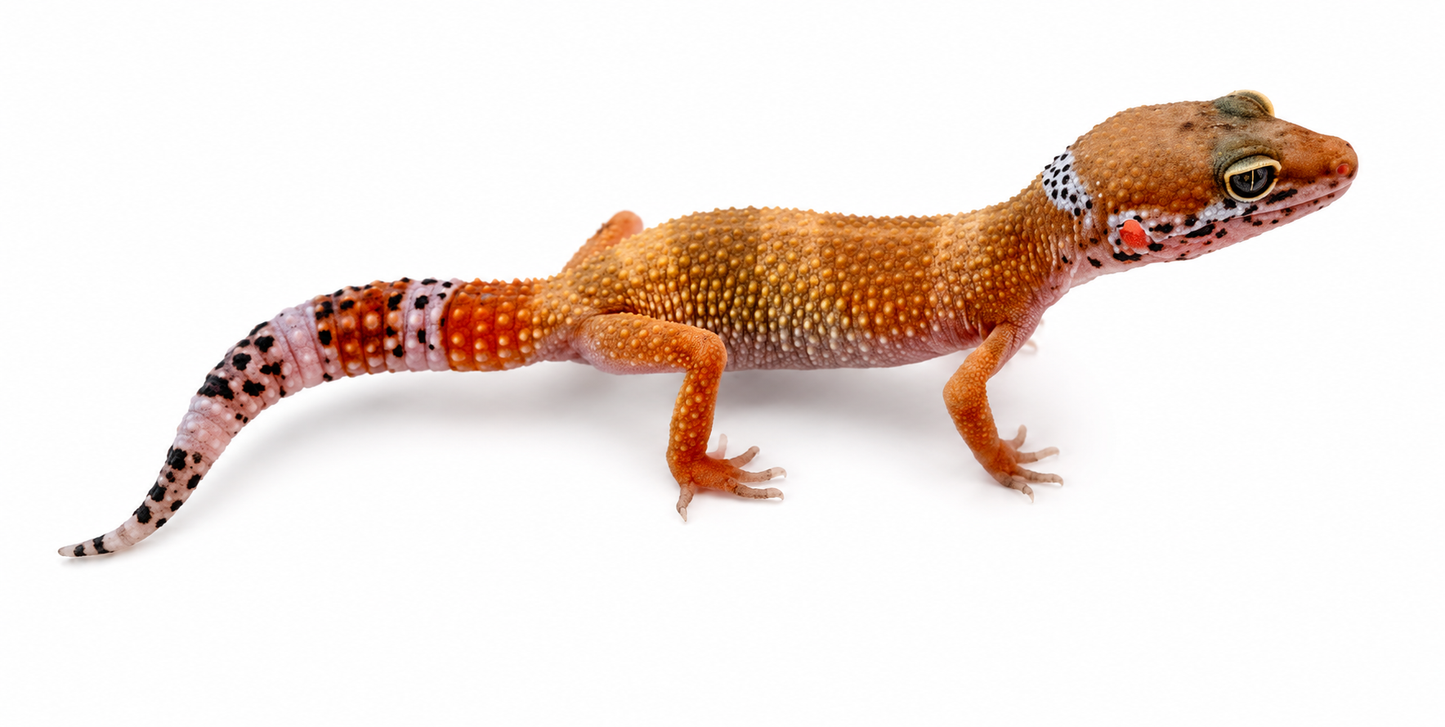
Mixed Morph Leopard Gecko #4

Mixed Morph Leopard Gecko #4

 
Regular price R 750.00
Regular price R 750.00 Sale price
SAVE Sold out
Flexible payments from R 125.00

Pay over 2-6 interest-free instalments with Stitch BNPL

check_circle Fast Shipping

check_circle Quality Products

check_circle Affordable Price

Reach out to us on ''available to order'' items via WhatsApp or email

Low stock: 1 left

  • Apple Pay
  • Google Pay
  • Mastercard
  • Visa
Mixed Morph Leopard Gecko #4

Mixed Morph Leopard Gecko #4

Regular price R 750.00
Regular price R 750.00 Sale price
SAVE Sold out

Certain provinces require permits for the keeping and transportation of reptiles, with the Eastern Cape being one such province. Permit approval processes may take up to one month, depending on the relevant authority. It is the buyer’s responsibility to ensure that any required captivity permits are applied for and approved prior to the purchase or transport of any reptile.

We will issue the necessary transport permit from the store’s name to the buyer’s name for the transfer of the animal. Thereafter, it remains the buyer’s responsibility to apply for and obtain the required captivity permit in accordance with their provincial regulations.

 (Eublepharis macularius)

Leopard Geckos are one of the most popular reptile pets thanks to their hardy nature, manageable size, and calm temperament. Mixed morph Leopard Geckos come in a variety of beautiful colours and patterns, making each gecko unique.


Quick Facts

Common Name: Leopard Gecko
Scientific Name: Eublepharis macularius
Adult Size: 18–28cm
Lifespan: 15–20+ years with proper care
Temperament: Generally docile and easy to handle
Difficulty Level: Beginner friendly
Activity: Nocturnal / Crepuscular (most active in evening)


Enclosure Requirements

Minimum Enclosure Size

Juvenile: 45 x 30 x 30cm
Adult (single gecko): 90 x 45 x 45cm recommended

Bigger is always better, especially when creating a natural temperature gradient.

Enclosure Setup

Your enclosure should include:

  • Warm hide
  • Cool hide
  • Humid hide (essential for shedding)
  • Water bowl
  • Feeding dish
  • Climbing décor / rocks / branches
  • Secure hides
  • Background décor for security

Leopard Geckos are terrestrial but do enjoy low climbing opportunities.


Heating & Temperature

Leopard Geckos require belly heat and a proper temperature gradient.

Day Temperatures

Warm side surface temp: 31–34°C
Cool side: 24–27°C
Ambient enclosure temp: 24–28°C

Night Temperatures

Can safely drop to 20–24°C

Heating Equipment

Recommended:

  • Heat mat (controlled by thermostat)
    OR
  • Halogen heat source / deep heat projector with thermostat

Never use heat sources without a thermostat.


Lighting

While Leopard Geckos can survive without UVB if supplemented correctly, UVB is strongly recommended.

Recommended:

  • Low-output UVB (5–7%)
  • 10–12 hour day/night cycle

Benefits of UVB:

  • Better calcium metabolism
  • Improved activity
  • Natural behaviours

Humidity

Ideal humidity:
30–40% ambient

Humid hide:
70–80%

Use damp sphagnum moss, paper towel, or reptile-safe substrate in the humid hide.


Substrate

Suitable options:

✅ Paper towel (quarantine / juveniles)
✅ Slate tile
✅ Reptile-safe bioactive substrate mix
✅ Packed clay/sand/soil mixes (advanced keepers)

Avoid:
❌ Loose calcium sand
❌ Fine dusty sand
❌ Walnut shell substrate


Feeding

Juveniles

Feed daily

Adults

Feed 2–4 times per week

Suitable Feeders

  • Dubia roaches
  • Crickets
  • Mealworms
  • Superworms (treats)
  • Silkworms
  • Black soldier fly larvae
  • Occasional hornworms

Feed appropriately sized insects:
No larger than the space between the gecko’s eyes.


Supplementation

Calcium

Plain calcium available regularly

Dusting Schedule

Juveniles:
Calcium 4–5 feeds per week
Multivitamin 1–2 times weekly

Adults:
Calcium 2–3 feeds per week
Multivitamin once weekly

If no UVB is provided, calcium with D3 becomes more important.


Water

Fresh clean water must always be available.

Replace daily.


Handling

Leopard Geckos generally tame well.

Tips:

  • Allow settling in for 5–7 days
  • Handle gently and low to the ground
  • Never grab by the tail

Important: Leopard Geckos can drop their tail when stressed.


Shedding

Signs:

  • Dull/grey skin
  • Reduced appetite

Ensure:

  • Proper humid hide
  • Correct supplementation
  • Stable hydration

Check toes and tail tip for stuck shed.


Cleaning

Daily:

  • Spot clean waste
  • Remove uneaten insects
  • Refresh water

Weekly:

  • Clean décor if needed
  • Replace humid hide substrate

Monthly:

  • Deep clean enclosure

Common Health Issues

Watch for:

⚠ Stuck shed
⚠ Metabolic bone disease (calcium deficiency)
⚠ Weight loss
⚠ Tail thinning
⚠ Mouth rot
⚠ Parasites
⚠ Impaction (poor substrate choices)


Compatibility / Housing

Best kept singly.

Males should never be housed together.

Female cohabitation is possible but not generally recommended due to stress, competition, and feeding issues.


Feeding Guide by Age

Age Feeding Frequency
Hatchling Daily
Juvenile Daily
Sub-adult Every 1–2 days
Adult 2–4 times weekly

Is a Leopard Gecko Right for You?

Great if you want:
✔ A beginner-friendly reptile
✔ Low daytime noise
✔ Easy feeding routine
✔ Long lifespan companion

Not ideal if you want:
✘ A highly interactive pet
✘ Daytime active reptile


Coastal Aquariums & Pet Supplies Tip

A healthy Leopard Gecko should have:
Bright eyes, a thick tail, strong grip, clean toes, and alert behaviour.


View full details
Coastal Pets Store Provides Top Quality Products Coastal Pets Provides Top Quality Products Coastal Pets Provides Top Quality Products Coastal Pets Provides Top Quality Products
Coastal Pets Provides Top Quality Products Coastal Pets Provides Top Quality Products Coastal Pets Provides Top Quality Products