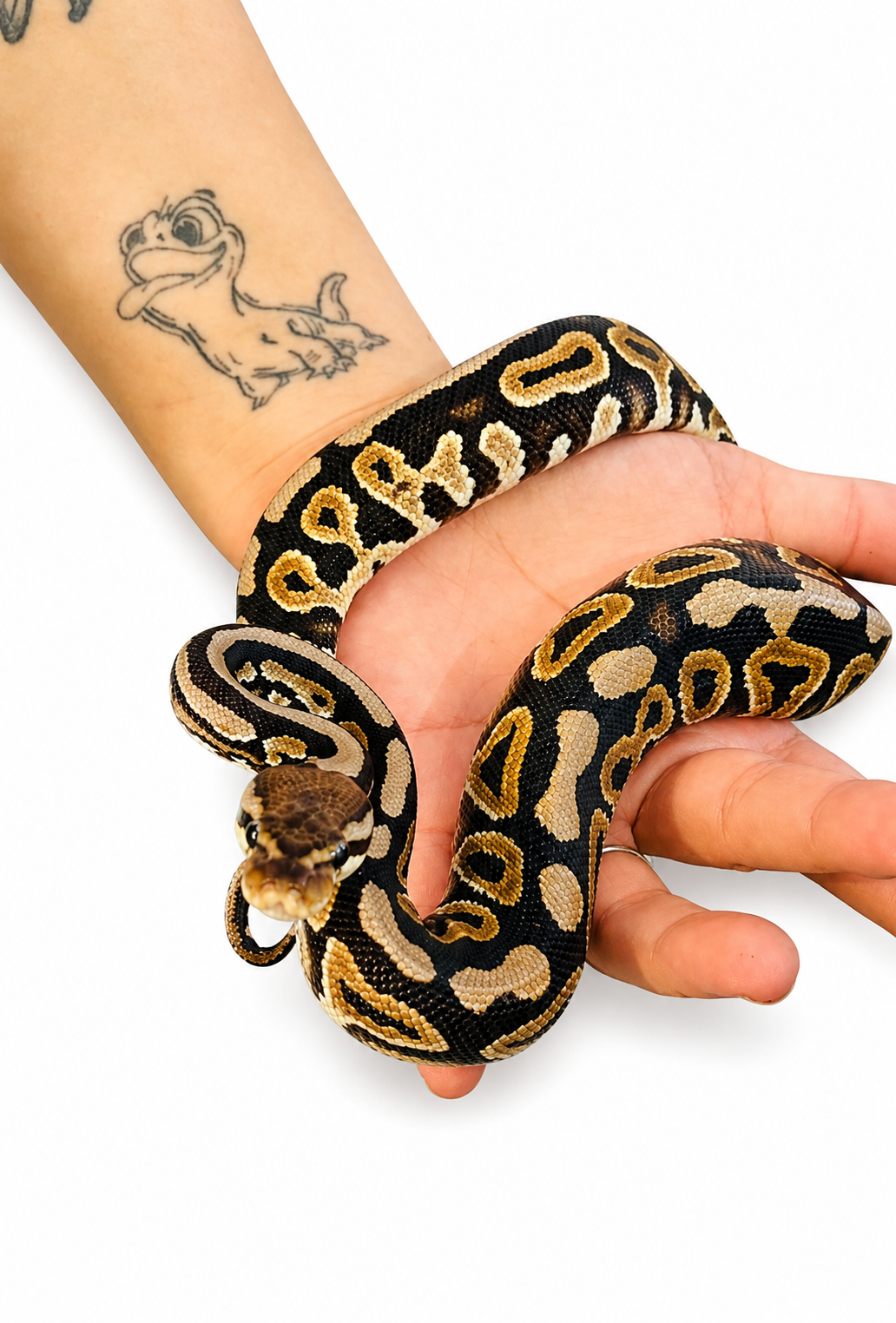
Spotnose 66% Het Pied Male Ball Python
Pay over 2-6 interest-free instalments with Stitch BNPL
check_circle Fast Shipping
check_circle Quality Products
check_circle Affordable Price
Reach out to us on ''available to order'' items via WhatsApp or email
Low stock: 1 left
Couldn't load pickup availability
Spotnose 66% Het Pied Male Ball Python
Certain provinces require permits for the keeping and transportation of reptiles, with the Eastern Cape being one such province. Permit approval processes may take up to one month, depending on the relevant authority. It is the buyer’s responsibility to ensure that any required captivity permits are applied for and approved prior to the purchase or transport of any reptile.
We will issue the necessary transport permit from the store’s name to the buyer’s name for the transfer of the animal. Thereafter, it remains the buyer’s responsibility to apply for and obtain the required captivity permit in accordance with their provincial regulations.
(Python regius)
Ball Pythons are one of the most popular pet snakes in the reptile hobby, known for their calm temperament, manageable size, and wide variety of beautiful morphs. They are generally considered an excellent species for beginner to intermediate keepers when provided with the correct setup and husbandry.
Quick Facts
Common Name: Ball Python
Scientific Name: Python regius
Adult Size: 90–150cm (typically females larger than males)
Lifespan: 20–30+ years
Temperament: Generally calm, shy, docile
Difficulty Level: Beginner to Intermediate
Activity: Nocturnal / Crepuscular
Enclosure Requirements
Minimum Enclosure Size
Hatchlings / Juveniles: 60 x 45 x 30cm
Sub-adults: 90 x 45 x 45cm
Adults: 120 x 60 x 60cm recommended
A secure enclosure is essential, as Ball Pythons are strong and capable escape artists.
Enclosure Setup
Recommended:
- Secure warm hide
- Secure cool hide
- Large water bowl
- Artificial or live plants
- Branches / climbing opportunities
- Cork bark / décor
- Humid hide (optional but useful)
- Secure locking enclosure
Ball Pythons are terrestrial but do enjoy occasional climbing.
Heating & Temperature
Day Temperatures
Warm side ambient: 30–32°C
Warm hide hotspot: 31–33°C
Cool side: 24–27°C
Night Temperatures
Can safely drop to:
22–25°C
Heating Equipment
Recommended:
- Ceramic heat emitter
- Deep heat projector
- Radiant heat panel
- Heat mat (thermostat controlled)
Never use heating equipment without a thermostat.
Humidity
Ideal humidity:
55–70%
During shedding:
65–75%
Signs humidity is too low:
- Stuck shed
- Dry skin
- Incomplete sheds
Too much stagnant humidity can contribute to respiratory issues.
Substrate
Suitable options:
✅ Coconut husk
✅ Coco fibre
✅ Cypress mulch
✅ Aspen (dry setups only)
✅ Paper towel (quarantine)
Avoid:
❌ Cedar / pine
❌ Dusty bedding
❌ Overly wet substrate
Feeding
Hatchlings
Every 5–7 days
Juveniles
Every 7 days
Sub-adults
Every 7–10 days
Adults
Every 10–21 days
Diet
Appropriately sized frozen-thawed rodents:
- Hopper mice
- Adult mice
- Weaner rats
- Small rats
- Medium rats (large females only)
Feed prey approximately the width of the snake’s widest body section.
Frozen-thawed is strongly recommended over live feeding.
Water
Fresh clean water should always be available.
Change daily or when soiled.
Ball Pythons may soak occasionally, especially during shedding.
Handling
Ball Pythons generally tolerate handling well.
Tips:
- Allow 5–7 days settling in after arrival
- Avoid handling for 48 hours after feeding
- Support the body fully
- Move calmly and confidently
- Avoid excessive handling initially
Ball Pythons may curl into a defensive “ball” when nervous.
Shedding
Signs:
- Dull skin
- Pink belly
- Blue/cloudy eyes
- Reduced appetite
- Increased hiding
Ensure:
- Correct humidity
- Fresh water
- Proper temperatures
Check tail tip and eye caps after shedding.
Cleaning
Daily
- Spot clean waste
- Refresh water
- Check temps and humidity
Weekly
- Wipe décor if needed
- Check enclosure security
Monthly
- Full substrate replacement (depending on setup)
- Deep clean enclosure
Common Health Issues
Watch for:
⚠ Respiratory infections
⚠ Stuck shed
⚠ Dehydration
⚠ Mites
⚠ Mouth rot
⚠ Scale rot
⚠ Regurgitation
⚠ Weight loss
Feeding Strikes
Ball Pythons are notorious for occasional fasting.
Common reasons:
- Seasonal behaviour
- Stress
- Incorrect temperatures
- Low humidity
- Enclosure insecurity
- Shedding cycle
Healthy adult Ball Pythons may occasionally refuse food for periods without immediate concern.
Compatibility / Housing
Best kept singly.
Ball Pythons should not be cohabited due to stress, feeding competition, and health risks.
Feeding Guide by Age
| Age | Feeding Frequency |
|---|---|
| Hatchling | Every 5–7 days |
| Juvenile | Weekly |
| Sub-adult | Every 7–10 days |
| Adult | Every 10–21 days |
Important Notes
- Ball Pythons thrive in secure, appropriately sized enclosures.
- Stable temperatures and humidity are essential.
- Poor husbandry is the most common cause of health issues.
- Some morphs may have genetic traits that affect health or behaviour.
Is a Ball Python Right for You?
Great if you want:
✔ A calm, manageable snake
✔ Beginner-friendly reptile
✔ A long-term reptile companion
✔ A wide range of beautiful morphs
Not ideal if you want:
✘ A highly active display snake
✘ A reptile with guaranteed strong feeding response year-round
Coastal Aquariums & Pet Supplies Tip
A healthy Ball Python should have:
Clear eyes, smooth sheds, strong body condition, regular tongue flicking, and alert but calm behaviour.